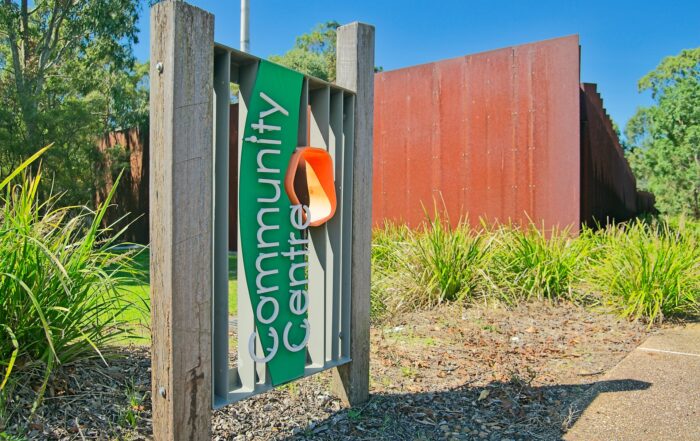
Fitzgibbon Community Centre is at the heart of Fitzgibbon and offers space for activities and programs for everyone.
Fitzgibbon Community Newsletter
No. 16 (September 2026)
Welcome to our monthly community newsletter! It aims to help foster a sense of belonging and connection by sharing local-interest items and celebrating the people and places that make Fitzgibbon special. Disclaimer: The content does not necessarily reflect the views of the management of Fitzgibbon Community Centre.
This month in your newsletter:
Hola! A Place to Play, Learn and Connect
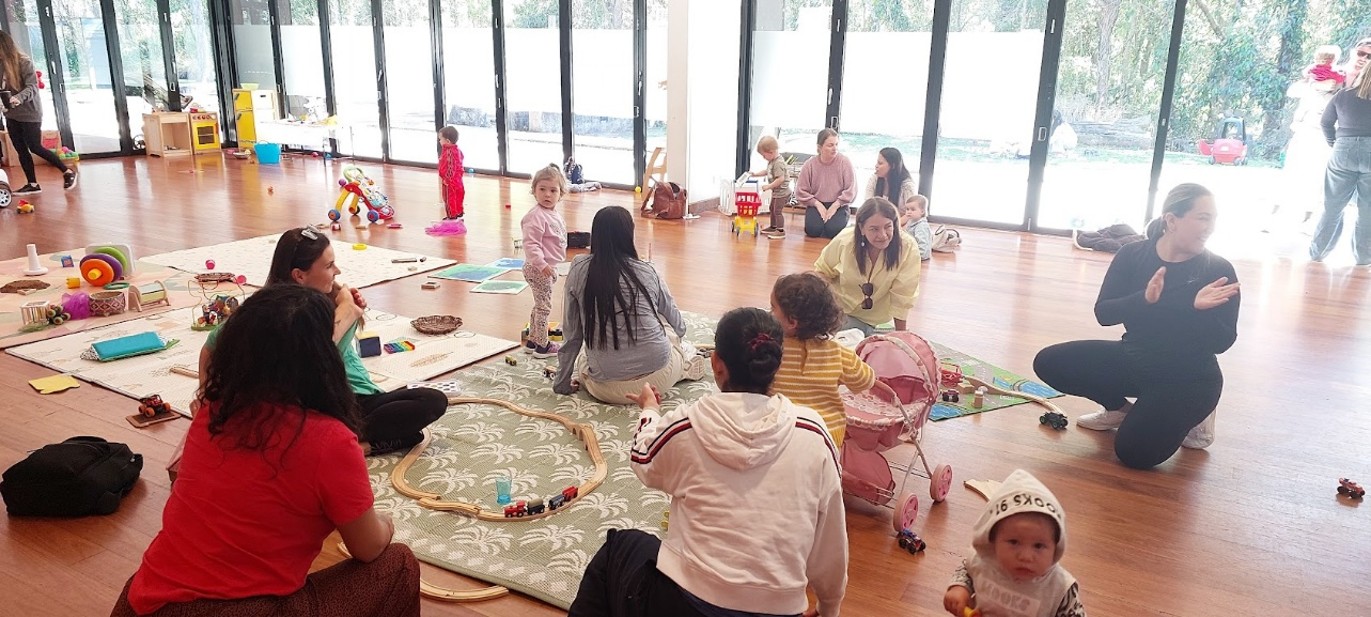
Listen closely to the kids playing and the parents chatting at Fitzgibbon Community Centre every Friday morning, and you’ll discover that they’re talking in Spanish. This is the Hola Spanish Playgroup, which celebrated its second anniversary this August with traditional games from across Spanish-speaking countries.
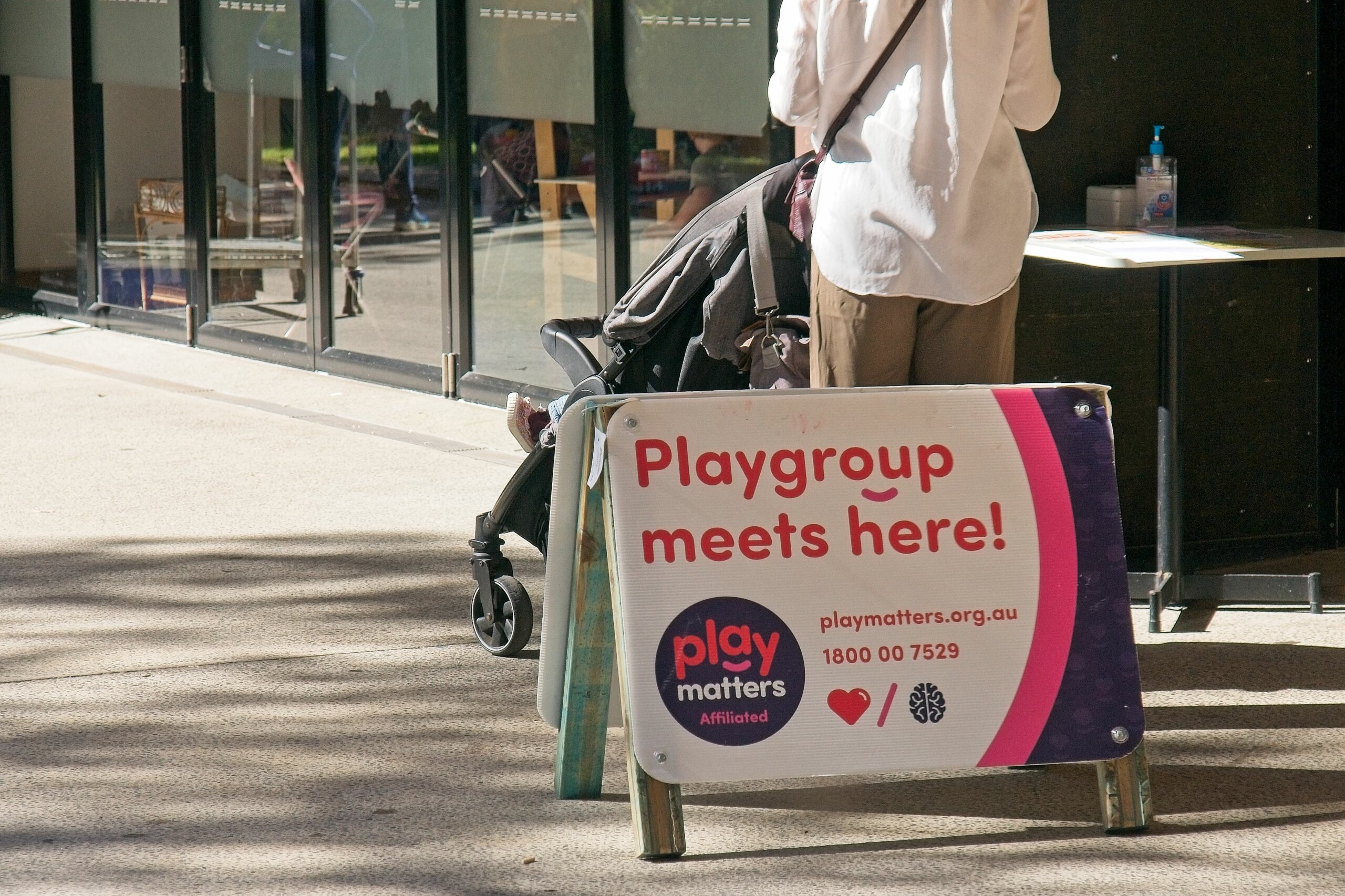
The Community Centre is the perfect venue for the group, offering all the facilities needed for babies and toddlers, a place to store toys, and ample indoor and outdoor space to play.
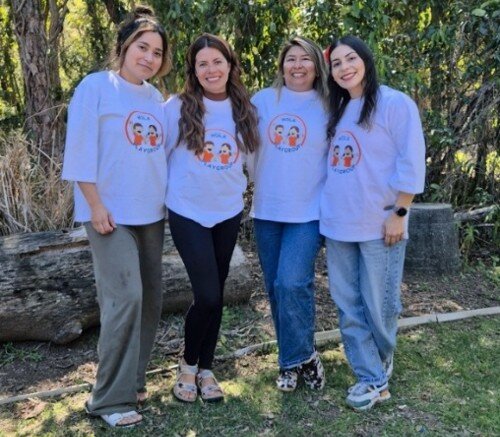
Stephanie Bernal from Peru and Romina Tapia, an Argentine woman whose children have now “graduated” from the playgroup, founded Hola two years ago. It partners with Play Matters Australia, which offers administrative support and fresh ideas for running the group. This August, for example, the spotlight is on literacy. Javiera, Denisse and Ana are also part of the Hola Playgroup volunteer team and have contributed to its community and the work it does.
Stephanie first visited Australia as a tourist nine years ago. After meeting her husband in Peru, they moved to Darwin and then settled in Carseldine five years ago. She feels that Australia is a beautiful and “super-family-friendly” place to raise children.
Most of Stephanie’s friends here are Australian, and as a first-time parent she found raising her kids bilingually was exhausting. So she decided to connect more with Brisbane’s vibrant Latino community. The playgroup grew out of a desire to pass on Spanish language and culture.
Although the kids pick up English naturally, the playgroup offers a good opportunity for them to build their Spanish skills. Stephanie’s seven-year-old son, who still attends the playgroup during school holidays, now understands Spanish, though speaking it remains a bit tricky. “But we’re getting there”, says Stephanie. During a family trip to Peru, he interacted with local kids in Spanish, and the immersive environment really boosted his language skills.
Another mum in the group, Caterine Lipnik from Colombia, came to Australia for six months in 2018 to learn English. That wasn’t long enough, so she extended her visa. She and her partner now live in Taigum with their baby. Ultimately, stresses Caterine, kids always find a way to get their message across, even through body language, so language is not a barrier.
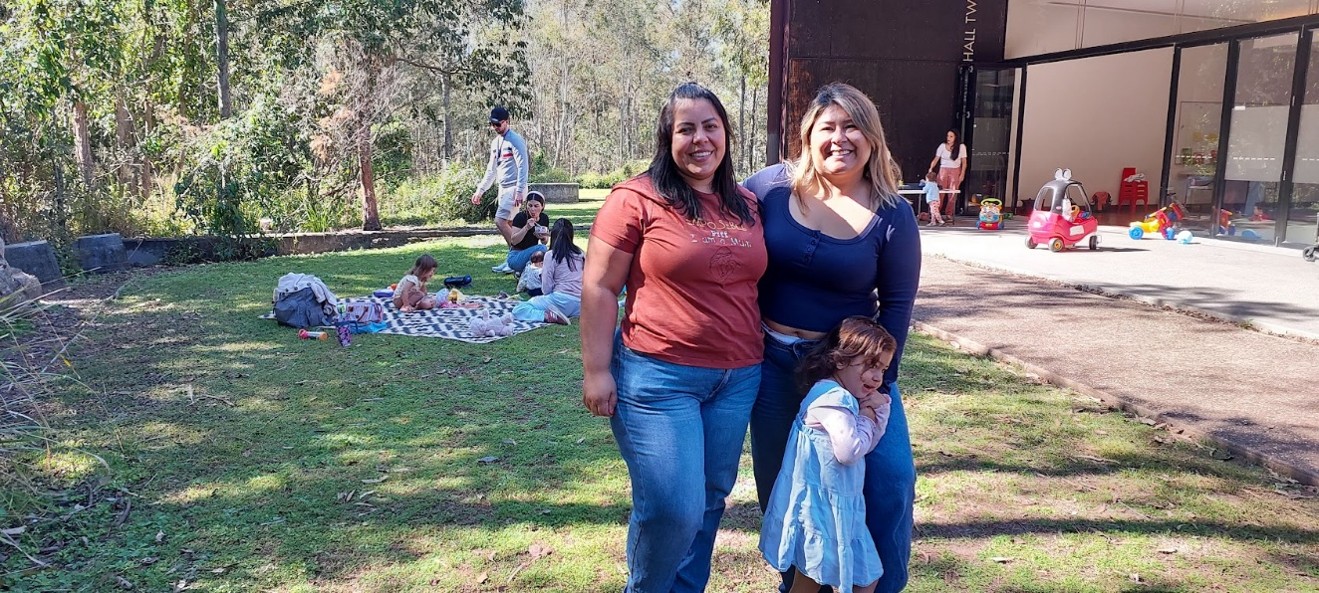
Caterine and Stephanie
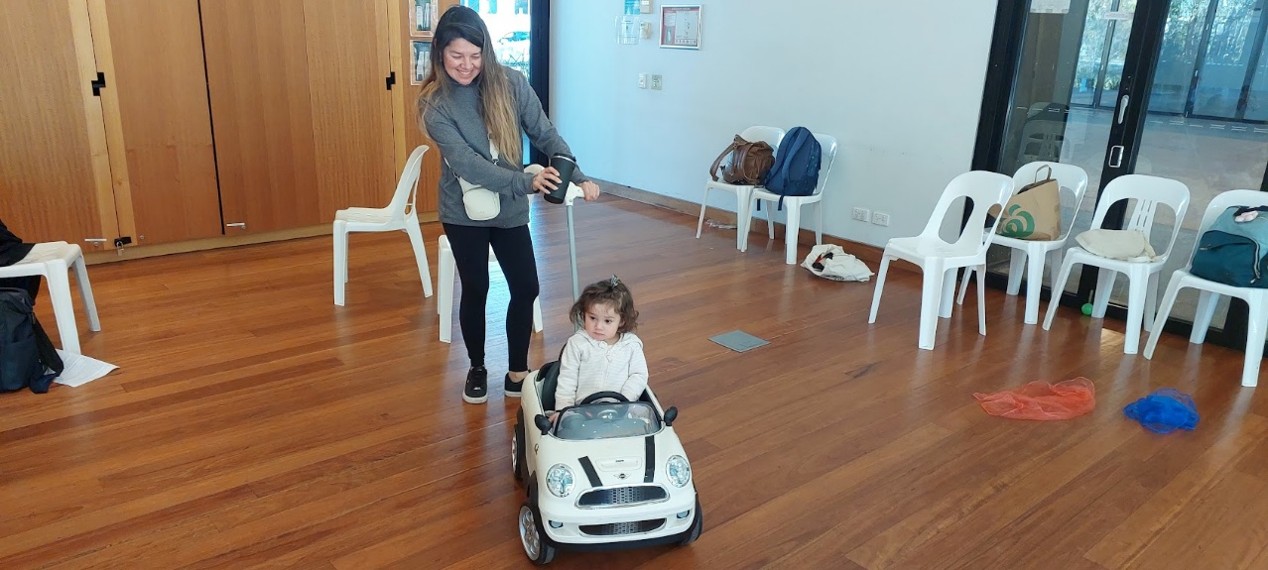
The families try to keep their kids’ Spanish skills alive by video-calling with relatives back home and sharing Spanish songs and movies with their kids. The playgroup connects them with Spanish-speaking friends of a similar age, even if their interactions mix Spanish and English. How comfortable kids feel speaking Spanish outside the familiar home environment hinges largely on their personality.
On a typical day, around fifteen kids join in the playgroup, each accompanied by a parent. Stephanie likes it when the dads attend, because they are strong, play in a less gentle way and bring different perspectives.
It is recommended that babies do not attend until after they’ve had their vaccinations (i.e. from around three months). Each week the kids learn some new Spanish expressions and gradually begin to use them.
Hola occasionally invites Spanish-speaking professionals from the community, such as nurses and psychologists, to support parents who have limited English proficiency.
Stephanie loves how the playgroup brings people from several different countries together, allowing them all to learn from each other. Although Spanish is their shared language, certain words differ slightly from country to country. In addition to people from Spain and Latin America, the group includes Spanish speakers from North America. Everyone—even people who don’t know Spanish—is welcome if they are interested in the Spanish language and culture or want their child to gain a new skill. Attendees have included families from Thailand and India, for example. The atmosphere is relaxed. “Good vibes and good energy”, comments Stephanie.
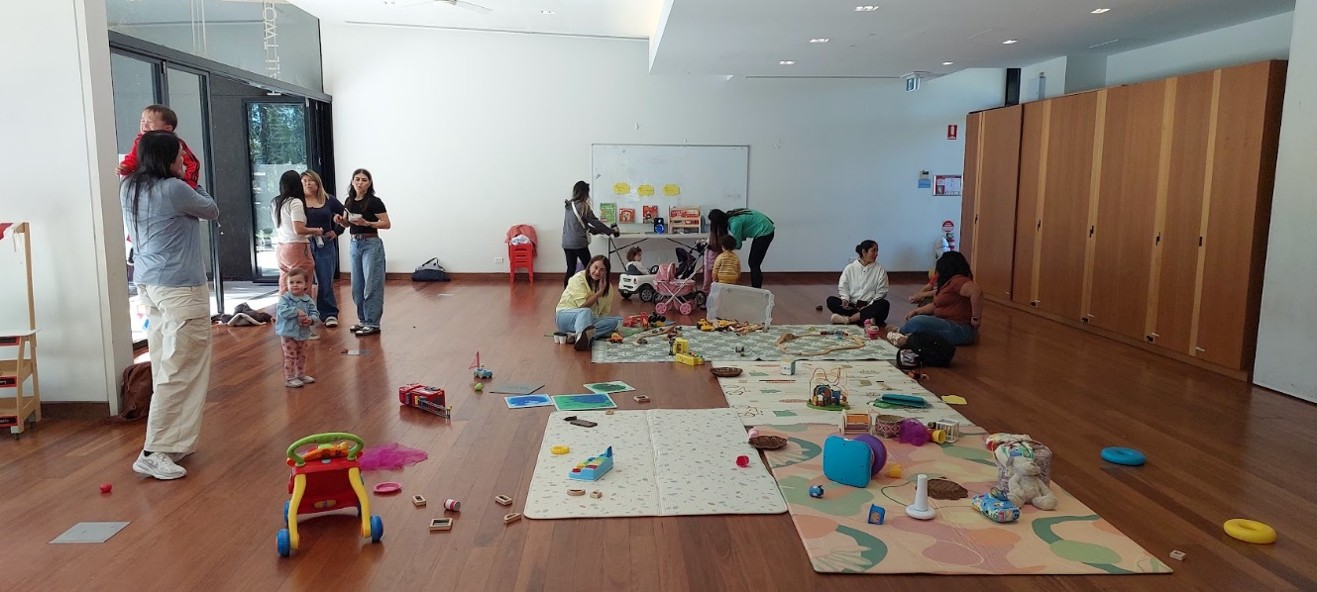
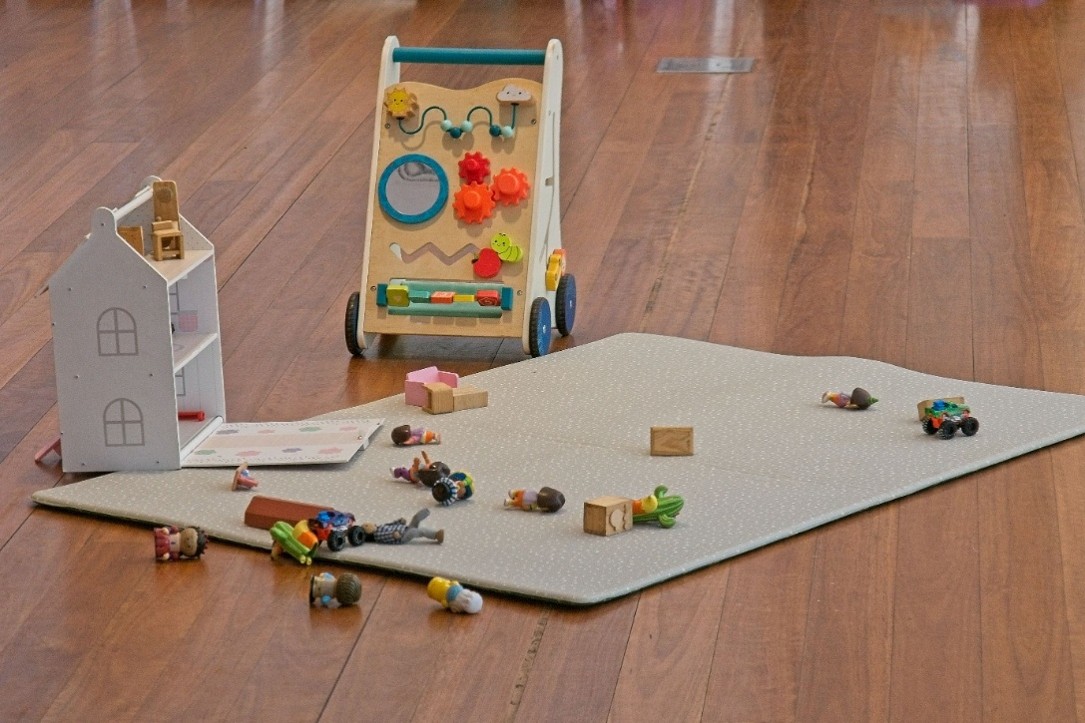
Inside the bright and airy hall, a table displays kids’ books in Spanish (available for borrowing), while a music player plays Spanish songs. In the middle of the hall are four large mats. On one, kids play with a railway set and drive cars along the tracks. Puzzles and toys lie scattered on another.
In a corner, a kids’ kitchen is set up, with a stove, a cabinet and even the proverbial kitchen sink. Plastic food is spread out on a table, and a shopping trolley is ready for little hands to push. On one wall, coloured balls are arranged to help the kids learn how to say the colours in Spanish.
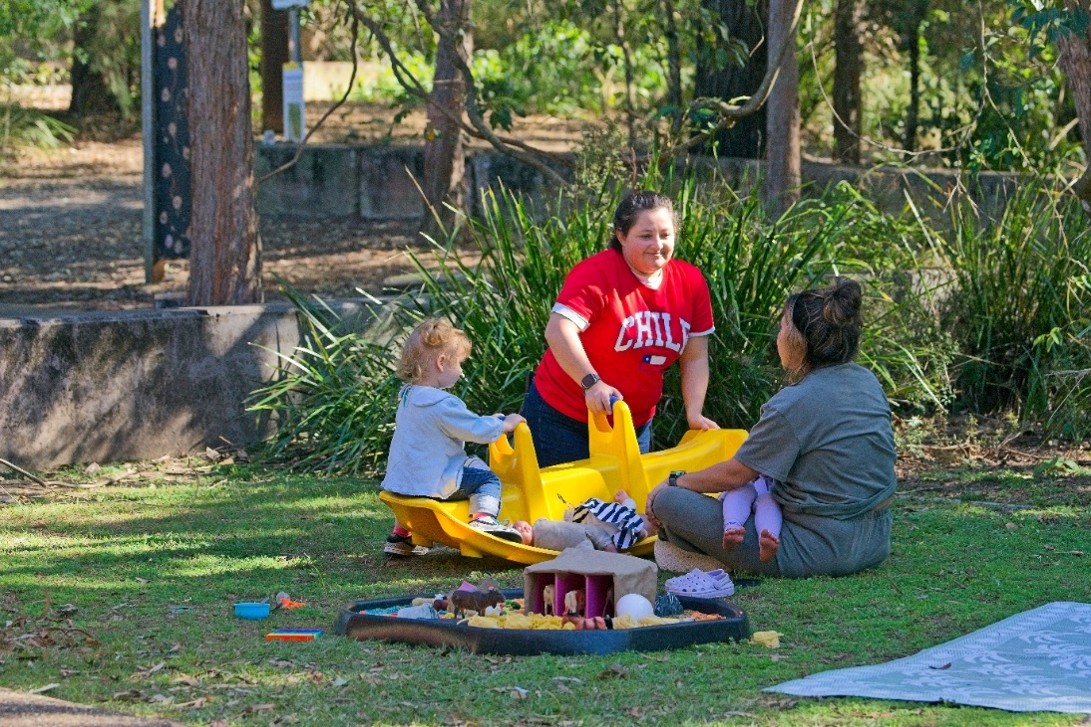
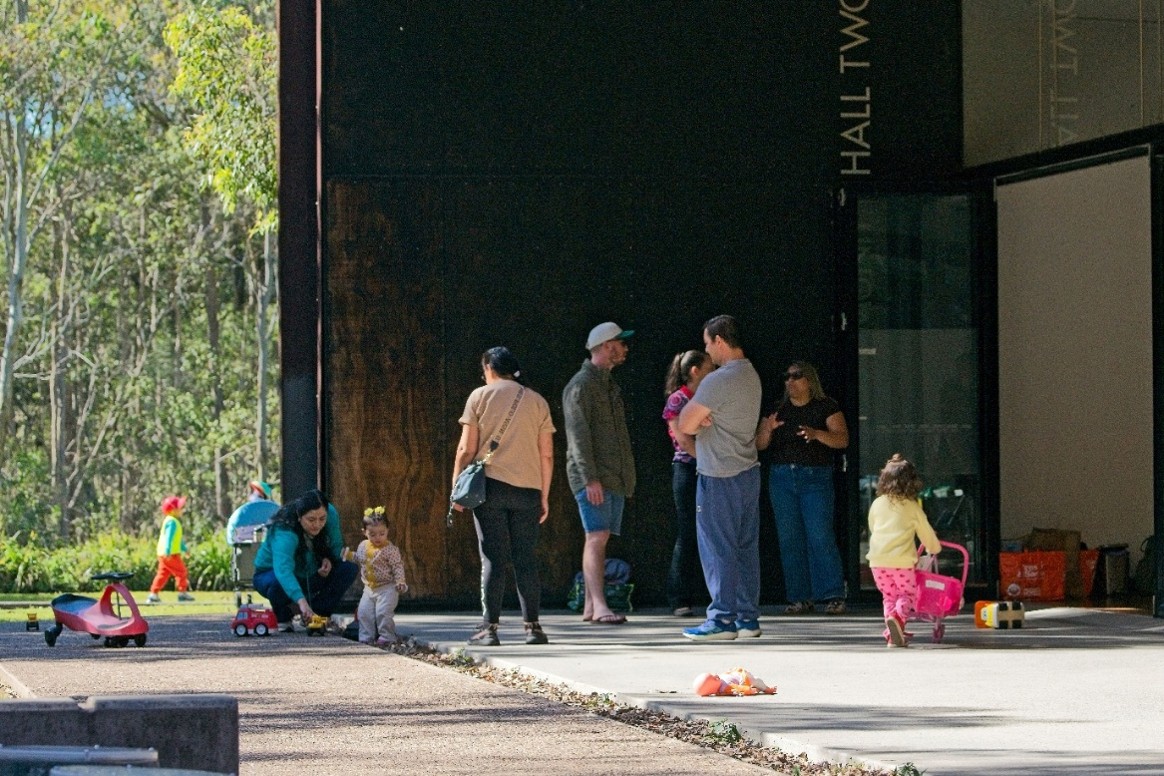
Outside, half a dozen mums lounge on a picnic blanket with their babies in the shade of the trees, chatting, laughing and enjoying themselves. On the concrete area, kids zoom around in ride-on cars and push cars, while others paint colourful playdough creations at a table. There’s a water station, as well as a large lawn where the kids can play.
Stephanie feels the group serves the parents as much as it does the kids. Many parents have forged great friendships through the group, and they get together on weekends for barbecues. For those without family nearby in Brisbane, the playgroup becomes like a close-knit family. If somebody needs help, they can reach out to someone else in the group. Stephanie remarked that “When you miss home, you have everything that you miss right here.” Caterine comments that although she is still busy chasing her child when at playgroup, just as she does at home, it’s more fun when other people are around.
Other Spanish playgroups meet in Bulimba (weekly) and Paddington (fortnightly). The State Library and the Museum of Brisbane periodically host Spanish-language story sessions and playgroups, with interactive stories, songs and play for young children. Some Council libraries also occasionally host bilingual Spanish storytime events. There are some courses in Brisbane where kids can learn Spanish. Schools like Clayfield College, St. Kevin’s in Geebung and a school in Indooroopilly offer Spanish immersion classes at various levels. Spanish-language books can be ordered through Brisbane City Council’s library system, although this can mean quite a wait.
Last September, the Hola Playgroup organised the Man with a Pram Walk in the Fitzgibbon Bushlands. This is likely to return this year. First, though, the members have an anniversary to celebrate and the annual Lazos Latinos festival in Milton to attend, with Spanish food, dancing, stalls and events. This is all about connection and coming together.
Anyone keen to join in the fun can simply drop in on a Friday morning (8.45–12.30). Bring a hat, sunscreen, snacks and $2 per family. Parents are asked not to bring toys, as kids often struggle to share them.
Flinders Park
Keith Heinrich
This month we visit Flinders Park, located at the intersection of Otway Circuit and Glenelg Lane. This park is shady and surrounded by bushland. In the June 2026 newsletter we revealed the origin of the misshapen circles all over the Fitzgibbon Chase area. What might not be obvious, until now at least, is that this is also the shape of Flinders Park.
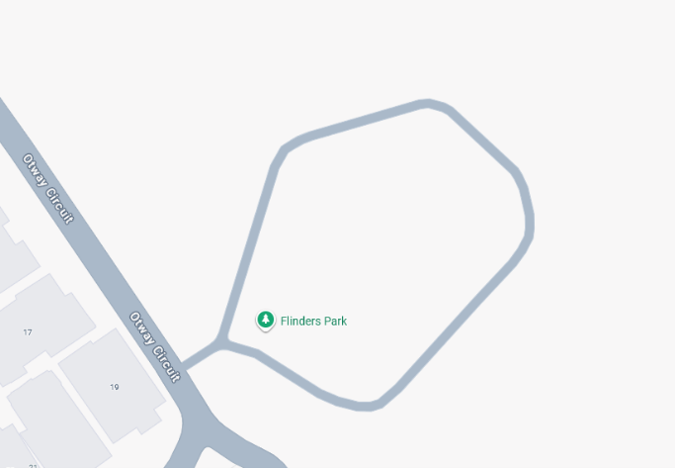
The park is well equipped with a barbecue, ample seating, waste bins, water, exercise equipment and direct access to the bushland tracks. There is room for a game of cricket, but this park is set up more as a place to walk gently or sit and quietly reflect, rather than as an active noisy place.
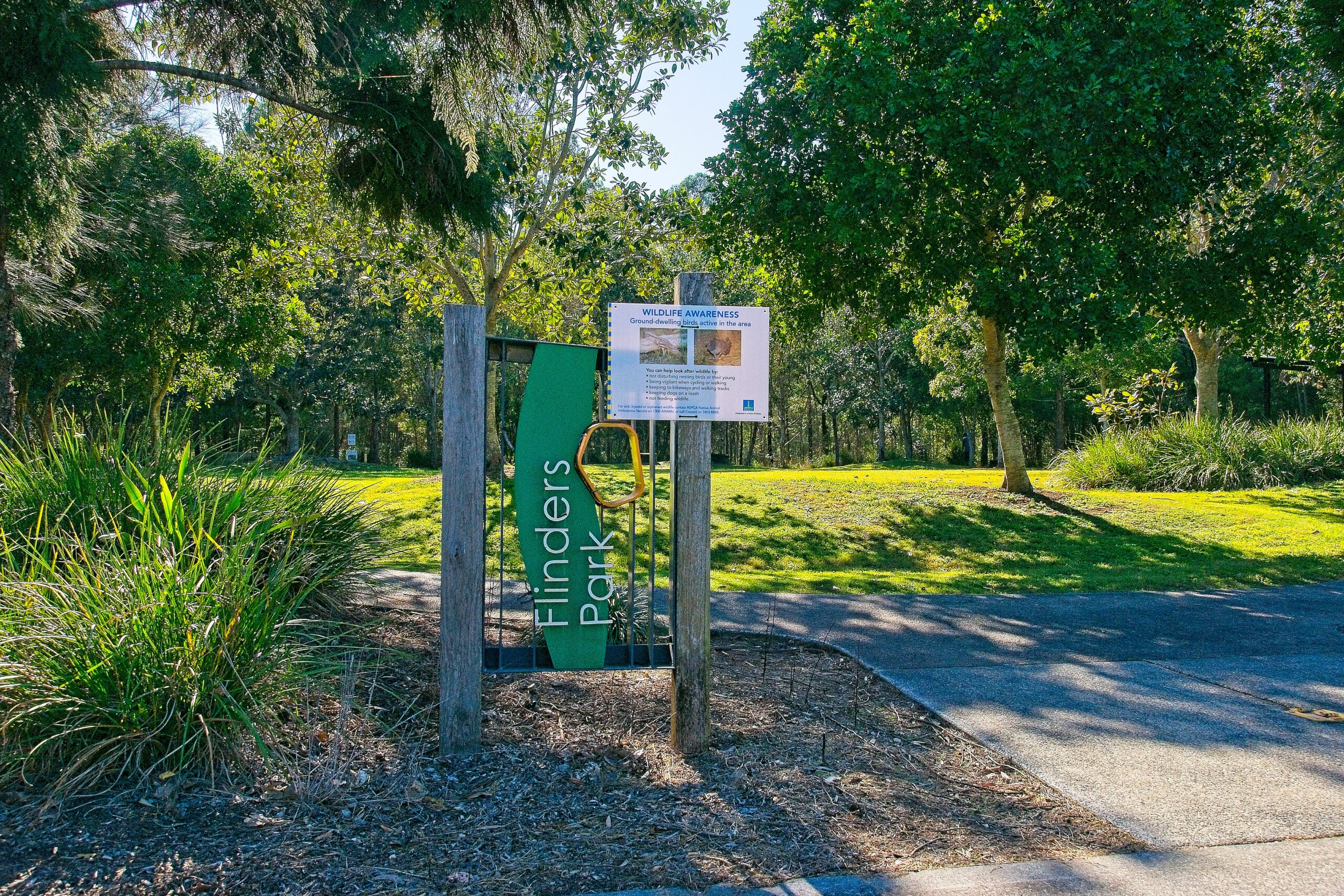
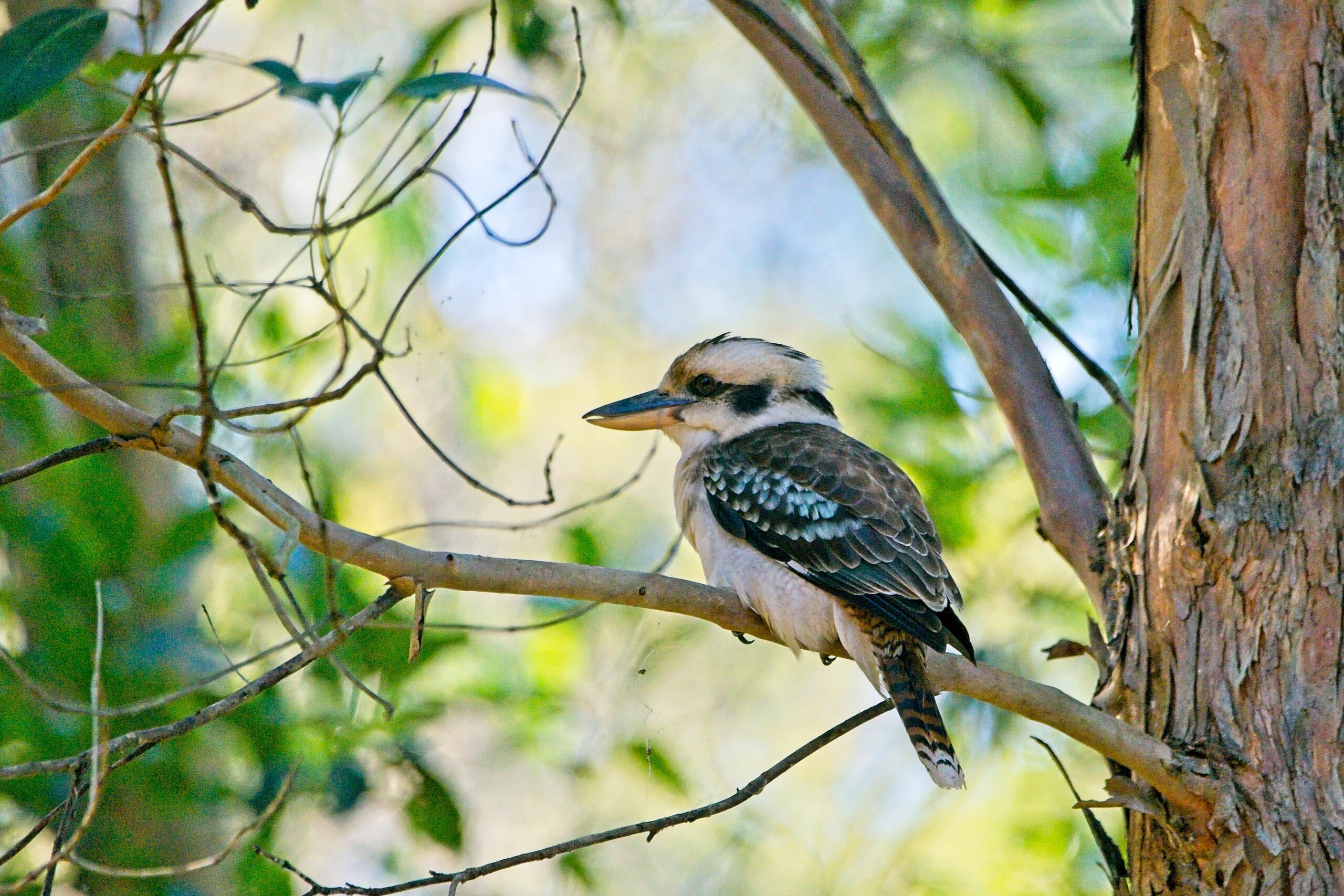
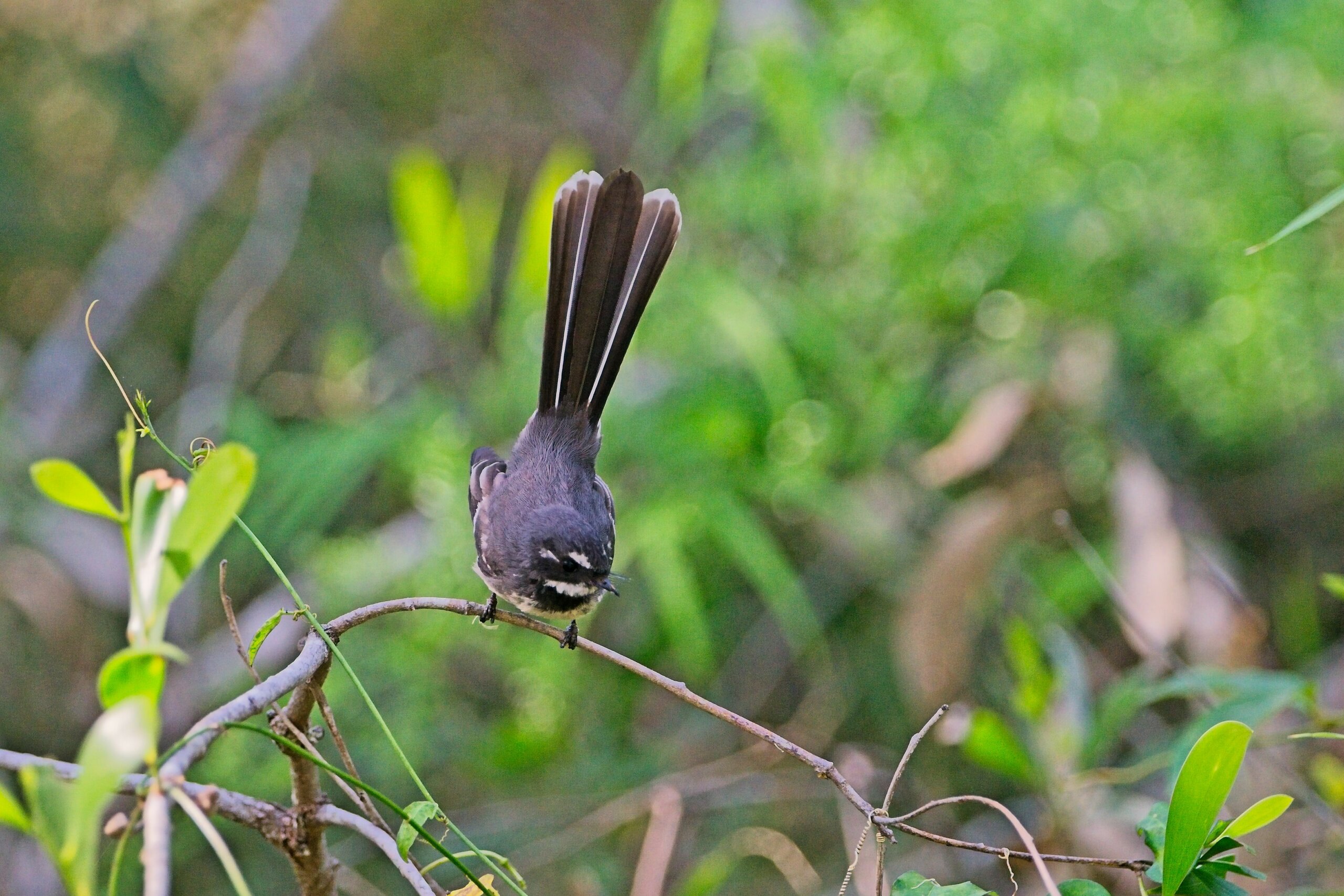
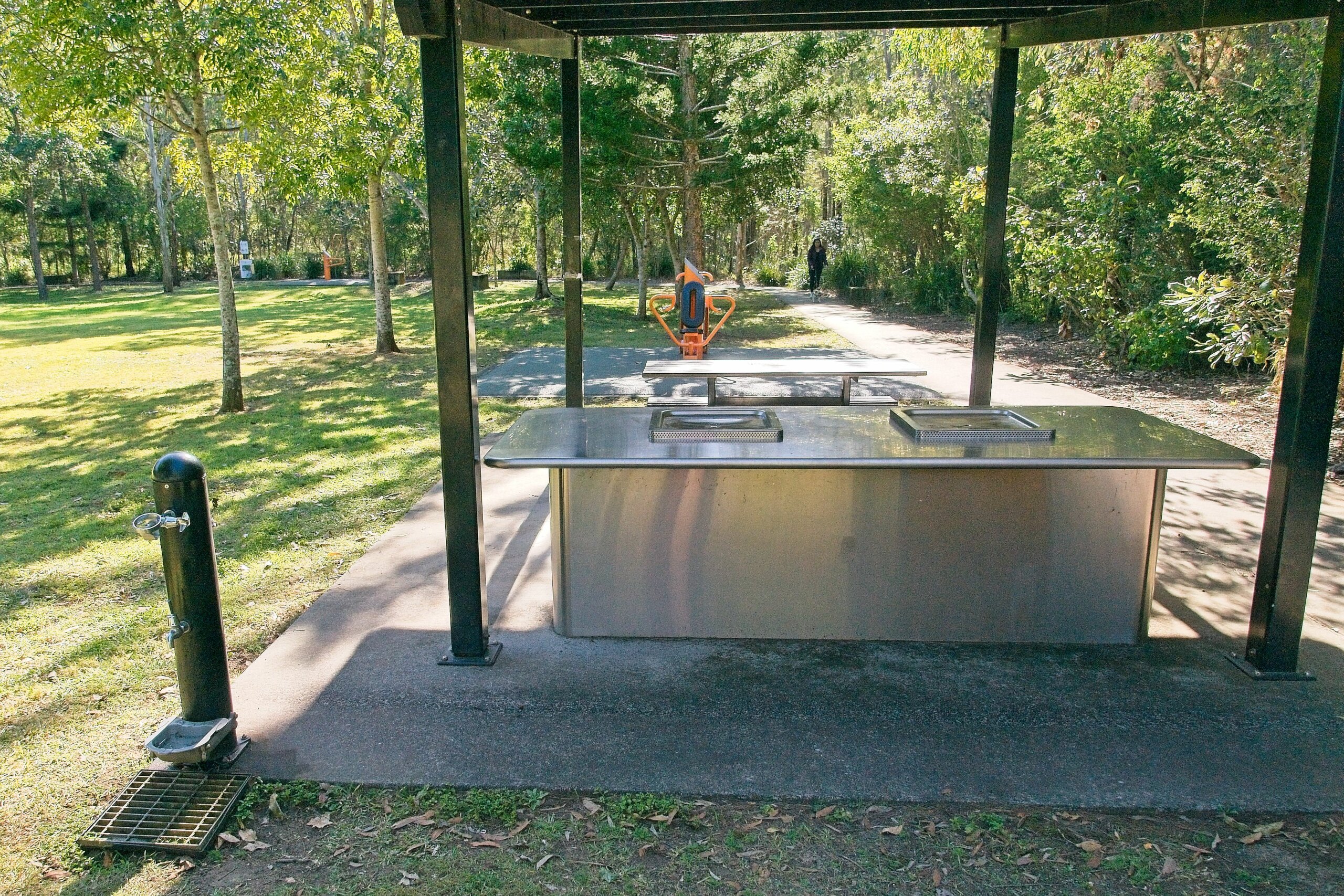
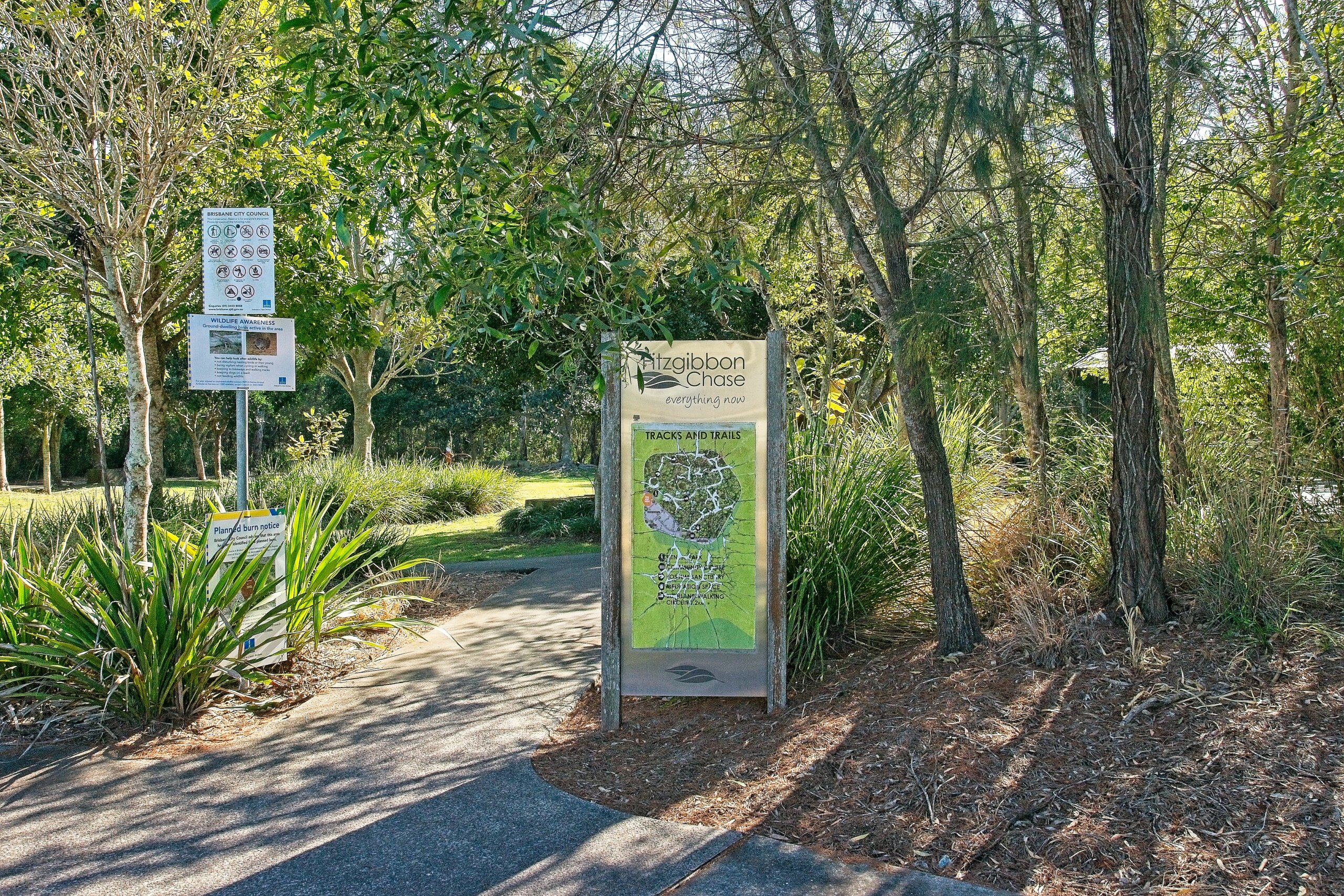

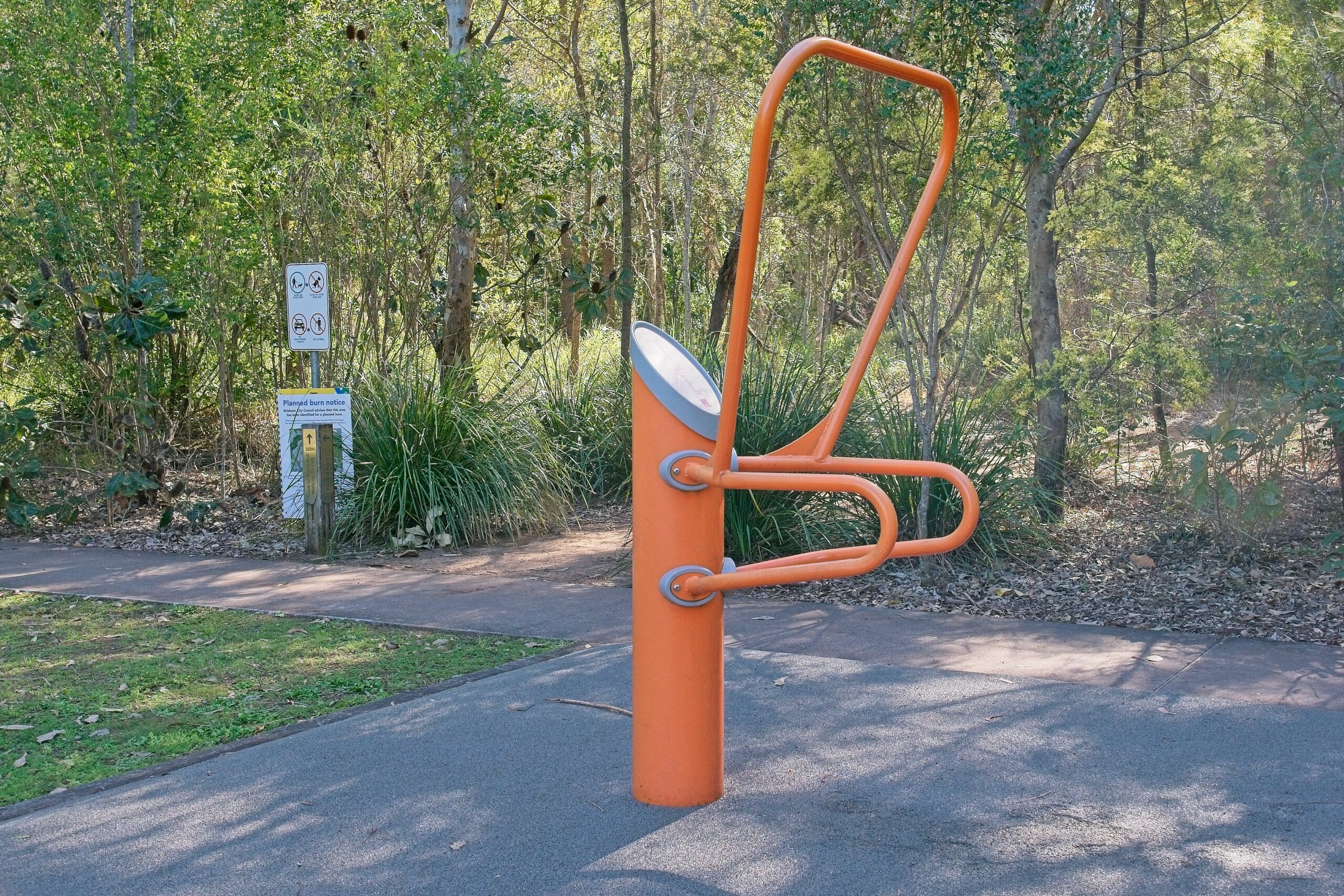
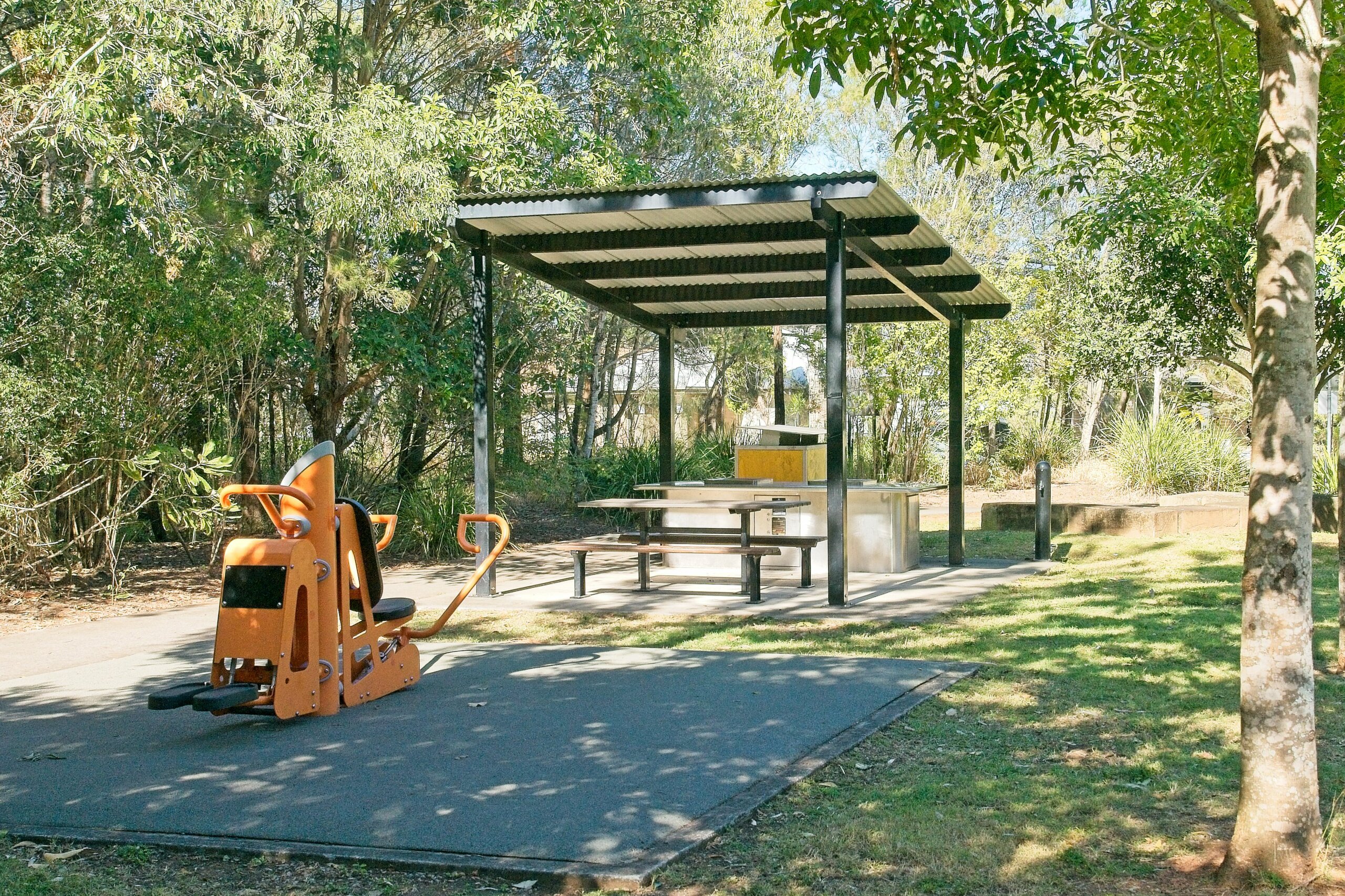
While I was there, I noted lots of birds and birdsong, beautiful light through the trees, and many people walking around the park circuit and into the bushland. It’s the sort of amenity not available just anywhere and something that gives this park a unique character. It’s a beautiful place and well worth a visit.
Speaking of Parks …
The next Burnie Brae Park Play will be held at Hidden World on the morning of Wednesday 23 September (during the school holidays).
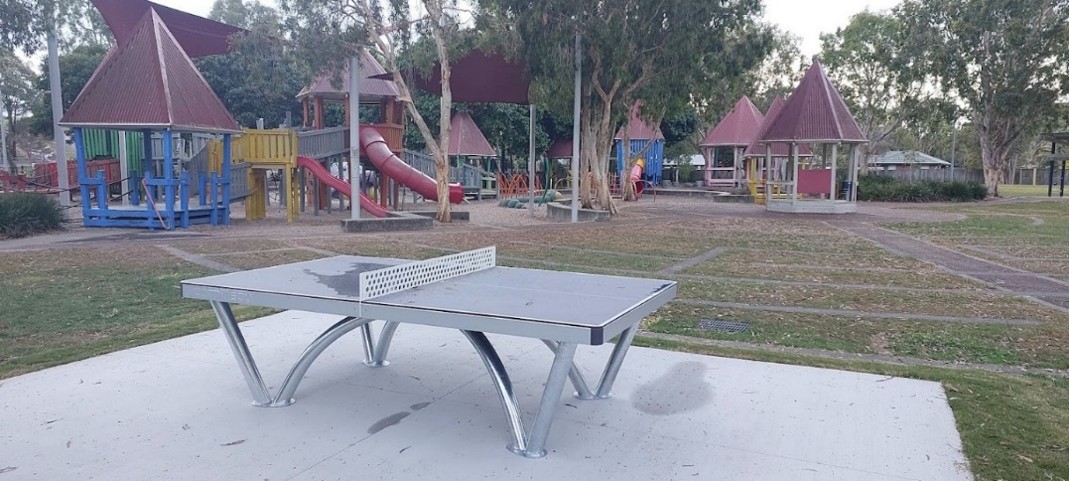
And next time you’re at Hidden World, check out the new disability-friendly picnic settings (two covered) and the new table tennis table. Bring your own bats and balls. Kuringgai Park has new lighting.
CITO – Giving Back While Geocaching
Barbara Bowman
CITO stands for Cache In, Trash Out—or, as I like to call it, Cachers In, Trash Out.
For those who are new to the hobby, “cache” is short for geocache, the hidden containers that geocachers search for using GPS or smartphone technology.
Geocache containers come in all shapes and sizes. They can be as small as the tip of your little finger or, in a few rare cases, even as large as a shipping container, with just about everything in between. They can be hidden almost anywhere (within geocaching guidelines), from a tiny nano attached to a sign to a cleverly disguised container hanging in a tree.
Some tree caches can simply be climbed to, while others require ropes or ladders. A newer trend, known as “tree fishing”, uses a long pole to safely retrieve and replace a cache hidden high in the branches.
Some geocaches are works of art in their own right. Cache owners often spend countless hours creating unique and imaginative containers designed to surprise and delight those who find them. One memorable example is an old camera hanging in a tree, with the logbook cleverly hidden inside the battery compartment. It is these creative containers that often become just as memorable as the location itself.
Every geocache contains a logbook. In the smallest nano cache, this may be nothing more than a tightly rolled strip of paper. Larger caches may contain a notebook with enough room for visitors to write a story, leave a message or even draw a picture.
Not all logbooks are actually books. For example, one local geocache uses a miniature cricket bat as its logbook, with visitors signing it using the permanent marker provided. Another nearby cache uses a realistic-looking vine in exactly the same way.
Larger geocaches often contain small swap items. The idea is simple—if you take something, you leave something of equal or greater value for the next finder. Popular swaps include small toys, keyrings and novelty items. I like to leave little green ribbons to help raise awareness of kidney disease. If you’re especially lucky, you might even find a pathtag—a personalised collectible token that many geocachers enjoy trading and collecting.
One of my favourite local geocaches is called Shrek. True to its name, it is filled with Shrek-themed toys for visitors to discover and swap, making it a fun surprise for geocachers of all ages.
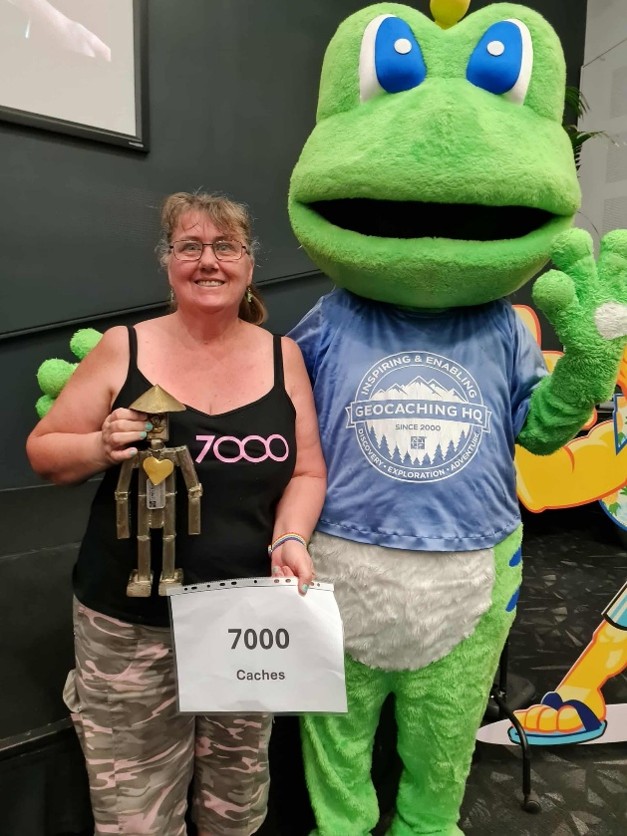
Barb and Signal
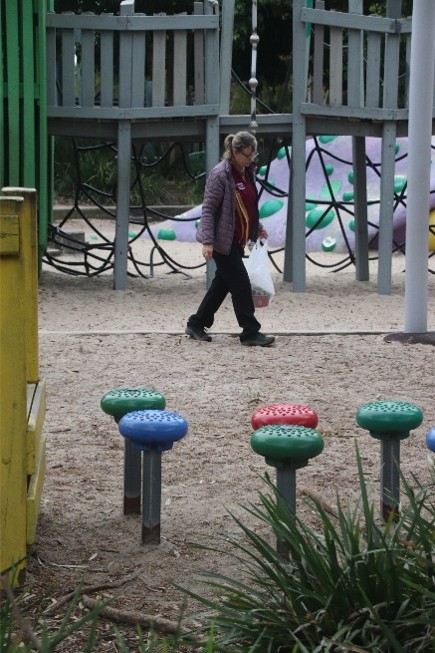
Mugglemum
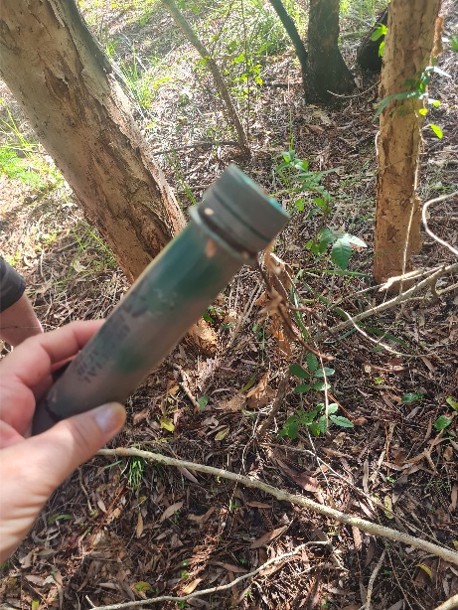
Geocache containers come in all shapes and sizes
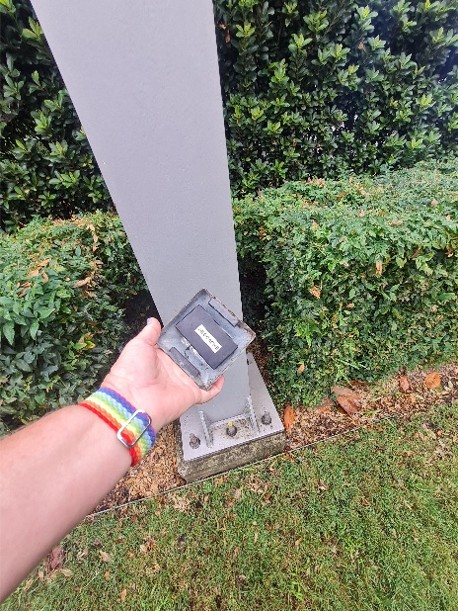
Geocache containers come in all shapes and sizes
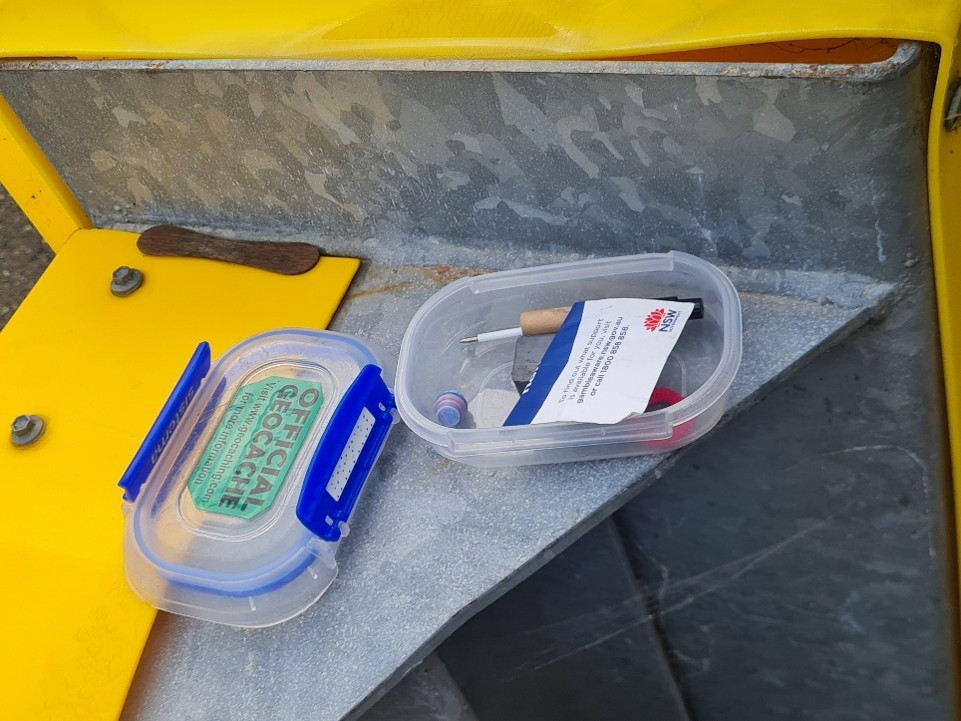
Geocache containers come in all shapes and sizes
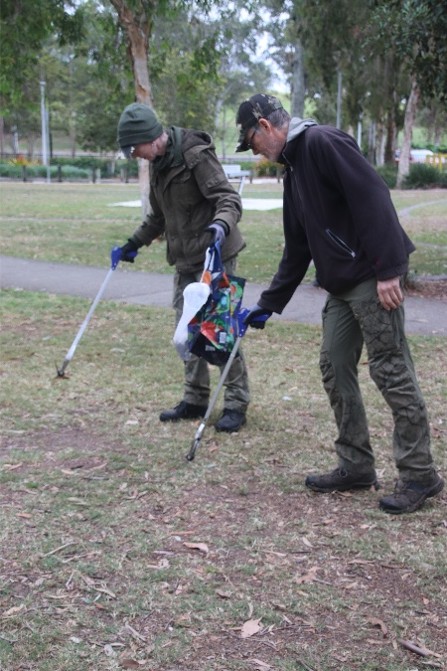
GreenGecko1 and Muggle65
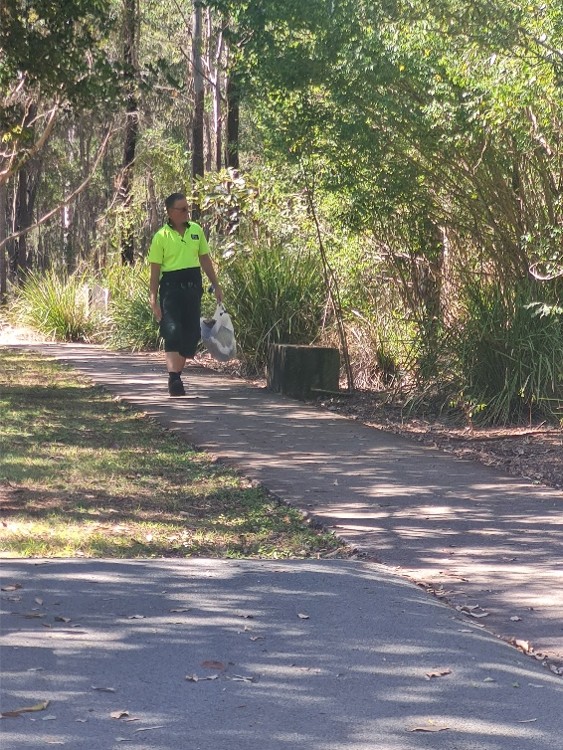
Muggle65
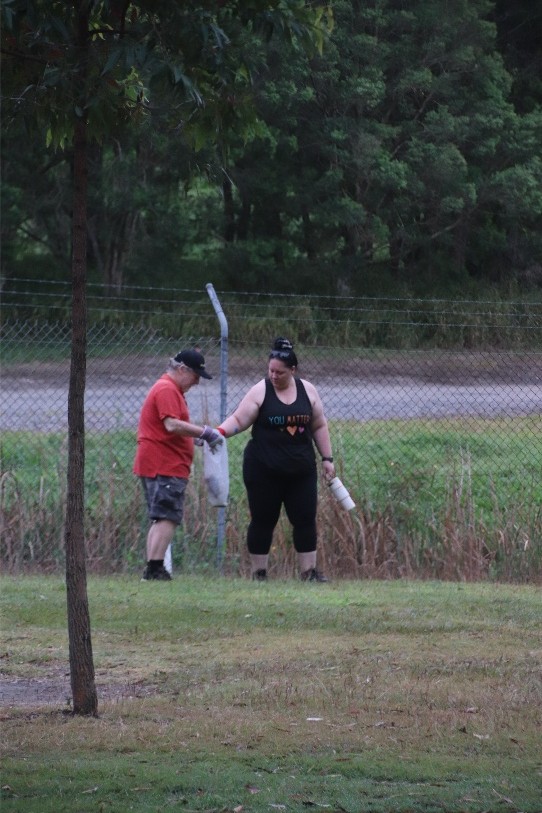
Fast Ed and Bubba89
Recently, local geocacher GreenGecko1 organised two CITO events in Fitzgibbon’s parks: one at Flinders Park on Friday 21 August and another at Hidden World on Saturday 22 August. After each clean-up, participants gathered at our local café, Beyond the Brew, for coffee, plenty of laughs and the chance to catch up with fellow geocachers.
GreenGecko1 has organised many CITO events across Brisbane’s northside this year, so I took the opportunity to ask the questions I’m always curious about—why, when, where and how.
One of my favourite questions to ask any geocacher is, “How did you get your geocaching name?” Jan explained that her niece came up with GreenGecko1 after spotting a gecko sticker on the back of her car.
Jan has been geocaching since July 2007 and has found more than 18,000 geocaches across eleven countries. Interestingly, she has found most caches between 1,000 and 2,500 kilometres from home—which just happens to be where her mum lives, giving her the perfect excuse to combine family visits with geocaching adventures.
Jan’s introduction to geocaching came about in an unexpected way. After breaking the lid on a Sistema container, she searched online for a replacement, always mindful of reducing waste. That search led her to the Geocaching website—and 18,372 finds later, she is still enjoying the hobby.
Before smartphones and geocaching apps became common, geocachers relied on dedicated GPS units. Fortunately, Jan already owned one from her days competing in four-wheel-drive navigation events, so she was ready to begin.
Jan loves the incidental exercise that geocaching provides. One of her favourite geocaches is at Lizard Point, on the way to the summit of Mt Superbus. The spectacular views, star-filled skies and occasional blood moon make it a truly memorable place. As Jan points out, geocaching isn’t always just about finding a container. Sometimes it’s about discovering amazing places.
Over the years, Jan has hidden 76 physical geocaches and organised 201 events, including 76 CITO events.
So why organise a CITO? Jan’s answer is simple: it’s a way to give something back. CITO events help care for our parks, green spaces, waterways and even our roadsides while bringing together people who enjoy the outdoors.
Hopefully this gives you some insight into the wonderful world of geocaching. The next time you see a small group of people picking up rubbish or searching around the bushes with a smile on their faces, don’t be afraid to stop and say hello. You might just discover your next favourite hobby.
Interested in giving geocaching a try? It’s a free, family-friendly outdoor activity enjoyed by millions of people around the world. To find out more or get started, visit www.geocaching.com. You never know what adventures are waiting just around the corner.
Building for the Future at Holy Spirit College
Holy Spirit College is preparing for an exciting new chapter as it completes the next stage of its campus development and looks ahead to welcoming its first Year 12 students in 2027. For many local residents, it has been exciting to watch the transformation of the campus. Once part of the area’s recreational landscape, the campus is now home to a thriving school community and has become an important part of the Fitzgibbon community since opening in 2022.
Construction of Stage 3 is now entering its final phase, delivering new learning spaces and student amenities including a new Café, Science Labs, Food Tech and Hospitality classrooms. This project has been supported by the Australian Government through the Capital Grants Program and the Queensland Government through the EIS Scheme.
Prospective families are invited to explore our growing campus at one of our upcoming College Tours. Register online to join College Tours on Wednesday 2 September or Tuesday 20 October.
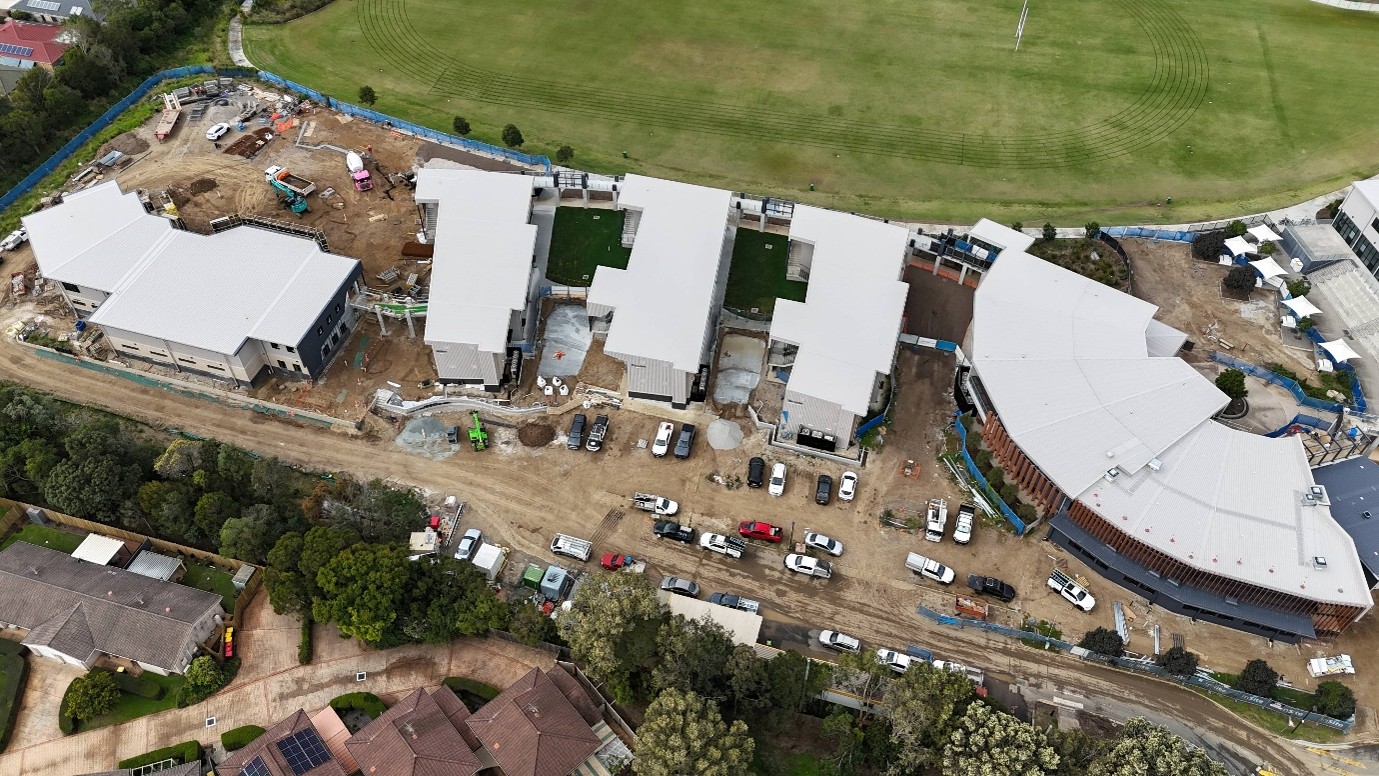
Picture courtesy of inSite Construction Services
Blast from the past
Back in 1999, well before Fitzgibbon Chase was developed, some local residents were actively campaigning to protect Fitzgibbon’s fauna and lifestyle.
Louise Brennan from Deagon was an active campaigner for protecting Fitzgibbon bushlands. In a letter to the Northside Chronicle titled “Demise risk for gliders” (26 May 1999), she argued that “Land development in Brisbane is rapidly destroying the remnant native habitat, thus making our city an unappealing place to live in, exacerbating the demise of native flora and fauna.” Louise stressed that sugar gliders are delicate animals that die within days of relocation.
On the same day, an article in The Bayside Star titled “Carseldine residents fear a ‘ghetto of flats’” noted concern about multi-level flats and townhouses to be built just north of Carseldine Station when the Future Urban Zone changed to Emerging Communities under the Council’s new City Plan. The article also mentions Greg Coonan, convenor of the Carseldine Grove Residents Group—a title that Greg now says was simply a way to issue press releases and a more successful strategy to grab media attention than readers’ letters. There were never any other members. The article states that the Group opposed Council moves to allow building blocks as small as 300 square metres. Greg argued that this would come at the expense of the suburban lifestyle. Today, many blocks in Fitzgibbon are in fact far smaller than 300 square metres.
A Northside Chronicle article titled “Suburb plan dumped” (3 November 1999) revealed that the new City Plan to be finalised later that week would scrap the former Liberal council’s ten-year-old Fitzgibbon Development Plan. An article titled “BCC scraps Fitzgibbon’s old plan for new process” on the same day in the Bayside and Northern Suburbs Star noted that one “bone of contention” had been a new railway station south of Telegraph Road and east of the corner of Linkfield and “Lacers” Roads. It also mentioned Council plans to include “schools, health care facilities, youth clubs and emergency services” in Fitzgibbon. Twenty-seven years later, this promise rings largely hollow.
Many thanks to Greg Coonan (Fitzgibbon resident from the end of 1995 to October 2019, now living in Adelaide) for his past community service and for sharing these newspaper clippings. In a follow-up comment to the newsletter editor, Greg stated that “Under the new (current) plans, in the late 2000s approval was also sought for two blocks of four-storey flats along the railway line in the vicinity of Merimbula Cr & Watarrka Ave. They never went ahead: builders had worked out that houses on small lots was the better way to go. Fitzgibbon has ended up being a ‘cottage suburb’ – which is fine by me.”
Message from Sandy Landers, Bracken Ridge Ward Councillor
What a wonderful time to be living in Brisbane! With so much happening locally and across the city, there is genuinely something for everyone this season.
School’s Out on the Green is back on Friday 18 September on the Bracken Ridge Library Green from 5 pm to 9 pm. This year’s theme is “School’s Out, Dine In” with live performances from talented young local musicians. It is always a great community night and a fun way to celebrate the end of another term.
With the school holidays approaching, Brisbane City Council has a fantastic range of free and low-cost activities to keep the kids entertained. Some activities book up
quickly, so head to brisbane.qld.gov.au and search School Holidays to plan ahead.
And if that is not enough, Brisbane Festival runs from 4 to 26 September, with more than 700 performances and over 2,000 artists across theatres, parks, riverbanks and the Festival Village at South Bank.
Riverfire returns on Saturday 5 September, lighting up the Brisbane night sky with a spectacular fireworks display launched from bridges, barges and rooftops, led by a thrilling RAAF flyover. With free and ticketed events, there is something for every budget at www.brisbanefestival.com.au. Hot on the heels of Night Feast and the Ekka, it is a wonderful reminder of how lucky we are to enjoy world-class events and how much there is to see and do.
Stay connected via Facebook.com/Cr.Sandy.Landers or Instagram@crsandylanders.
Message from Bisma Asif, MP for Sandgate
On Saturday, 26 September, I will be hosting our second Hidden World Community Day with Emma Comer MP at the Hidden World Playground, 411 Roghan Rd, Fitzgibbon, from 10 am to 2 pm. There will be free face painting, jumping castle, kids’ entertainment, family-friendly games, and plenty of fun for all ages, so bring the whole crew along.
I’m also hosting Seniors Morning Teas in Bracken Ridge and Sandgate to celebrate Seniors Month. Our older generations are the heart of our community, and their experiences and contributions make Sandgate a stronger, more connected place.
The Morning Teas are on Thursday 1 October in Bracken Ridge and Friday 16 October in Sandgate. It’s a lovely chance to catch up over a cuppa and hear about the support available to you. If you or a loved one over 67 would like to come along, please book a spot by calling my office on 07 3639 9100 or emailing Sandgate@parliament.qld.gov.au. You’re also welcome to drop by the office at Shop 2 Fifth Avenue, Sandgate.
We Want to Hear from You!
If you wish to contribute information, an article or pictures to the newsletters or have ideas for an article, drop us a line through the Community Centre’s Facebook page or website.